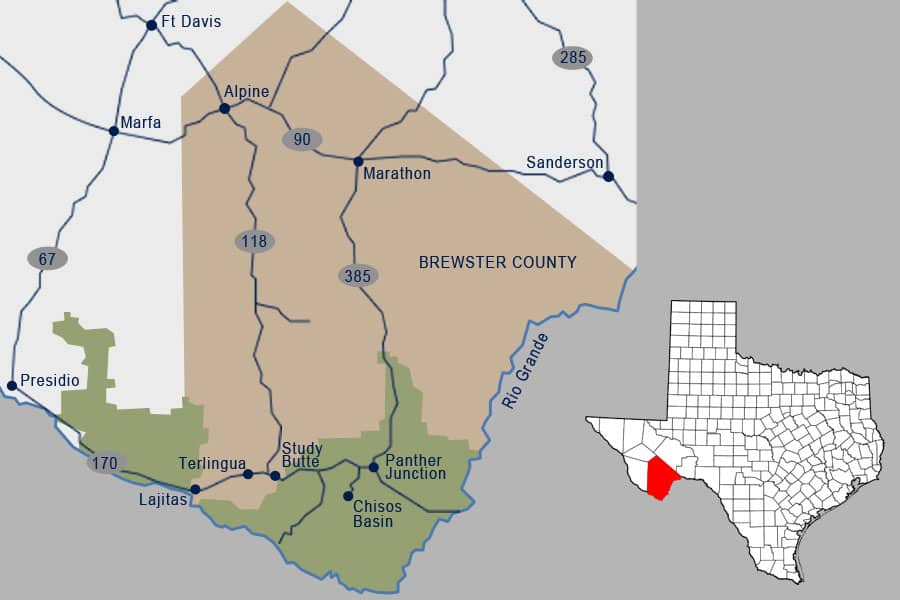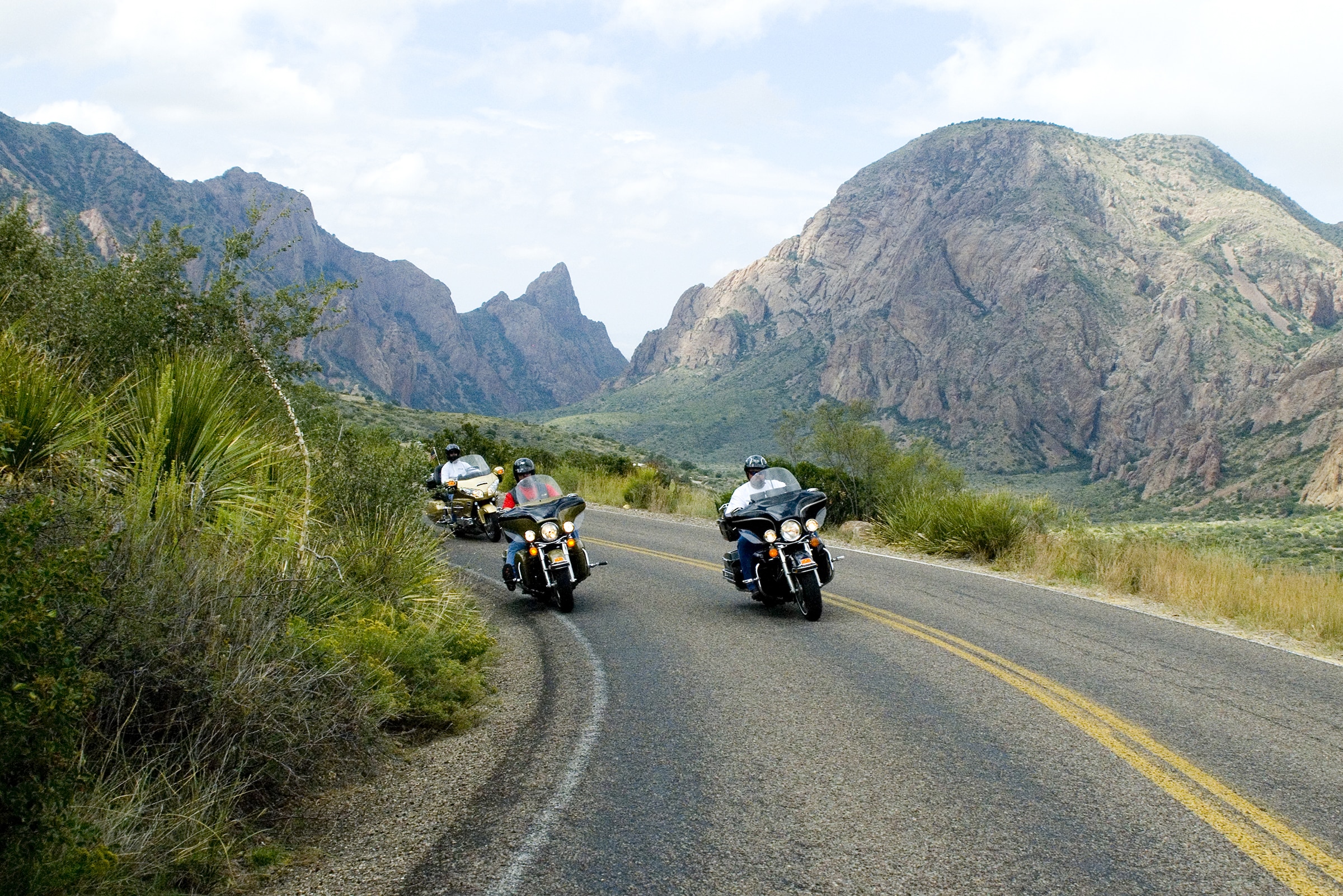
Routes, Drive Times & Road Tips to Big BendBig Bend sits deep in far West Texas. Whether you’re coming from El Paso, Midland/Odessa, San Antonio, Austin, Houston, or Dallas/Fort Worth, choose the route that matches your arrival town and the part of the park you want...



San Antonio to Big Bend: Scenic Road Trip Highlights & Hidden Stops Along the Way
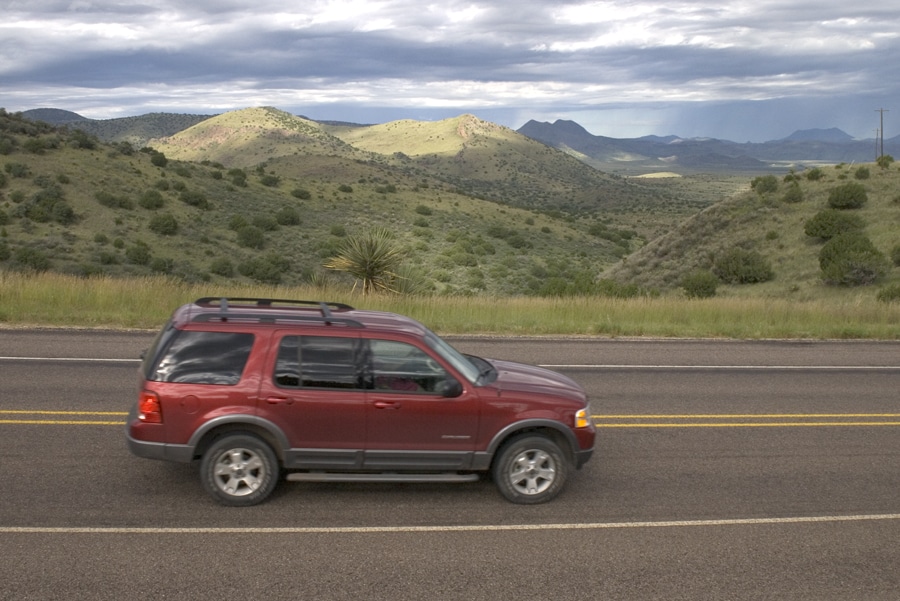
At roughly 430 miles, the journey from San Antonio to Big Bend National Park takes you from the Hill Country’s rolling hills into West Texas’s rugged desert. Plan for about 7–8 hours of driving time—longer if you linger at scenic pullouts or historic towns.
Primary Route: I-10 West & TX-118 South via Fort Stockton
Follow I-10 west for 325 miles to Fort Stockton, then:
- Option A: Head south on US-385 for 58 miles to Marathon, then another 30 miles on US-385 to the park’s eastern entrance at Persimmon Gap.
- Option B: Stay on I-10 nine more miles, turn south on US-67 into Alpine (58 miles), then TX-118 south (78 miles) to Terlingua Junction—3 miles on TX-118 brings you to Panther Junction in Big Bend.
Alternate Route: US-90 through Uvalde & Del Rio
Take I-10 west to Uvalde (142 miles), then US-90 west through Del Rio into Marathon (total ~340 miles). This route meanders along the Rio Grande and through quaint towns, offering more character but a slightly slower pace.
Estimated Drive Times & Distances
- San Antonio → Fort Stockton (I-10): ~325 mi, 5–5½ hrs
- San Antonio → Marathon (US-90): ~340 mi, 6 hrs
- Fort Stockton → Persimmon Gap: 30 mi, 45 min
- San Antonio → Alpine (via US-67): ~383 mi, 6–6½ hrs
Top Scenic Stops En Route
- Junction: Historic downtown and local BBQ.
- Uvalde: Briscoe Memorial Museum & outdoor gear shops.
- Del Rio: Lake Amistad State Park & Whitehead Museum.
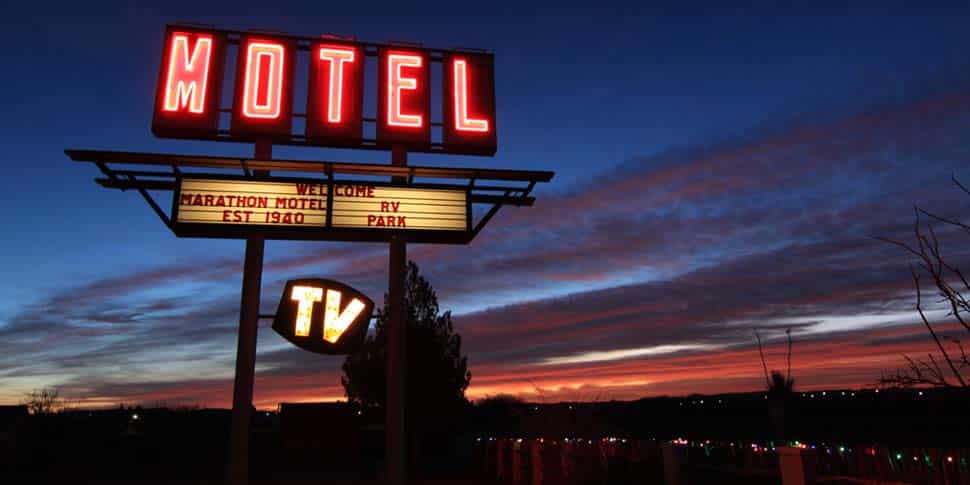
- Marathon: Gage Hotel, Crowley Theater, and artisan cafés.
- Alpine: Vibrant art district, campus of Sul Ross State University, plus fuel and supplies.
Road Trip Tips & Safety
- Fuel & Hydration: Gas stations can be 100+ miles apart—top off often and carry at least one extra gallon of water per person.
- Rest Breaks: Stretch every 2–3 hours to stay alert and enjoy roadside vistas.
- Weather Awareness: Summer highs exceed 100 °F; winter nights can dip below freezing—check forecasts before you leave.
- Emergency Kit: Include first-aid supplies, basic tools, tire-repair kit, flashlight, and paper maps—cell service is limited.
- Wildlife & Speed: Watch for deer and livestock at dawn/dusk, and obey rural speed limits.
- Alternate Starting Point: For a different approach, see Drive from Houston.
Frequently Asked Questions about Driving to Big Bend
FAQs
What’s the best time of year to drive to Big Bend?
The ideal windows are spring (March–May) and fall (September–November), when daytime temperatures in Big Bend range from 70–85°F and skies are generally clear. Summers can soar above 100°F, making mid-day travel uncomfortable, and winters often dip below freezing at night—so plan accordingly.
How do I prepare for changing road conditions on the way to Big Bend?
Before you depart, check TxDOT for live updates on construction, closures, and weather. In Big Bend’s remote terrain you may encounter gravel stretches or flash-flooded washes after rain, so drive slowly, keep headlights on, and adjust speed to match visibility and surface conditions.
Where should I fuel up and grab supplies on a Big Bend road trip?
Major towns like Alpine, Marathon, Fort Stockton, and Presidio each offer gas stations, grocery stores, and cafés. Fuel can be 100+ miles apart once you leave I-10, so top off whenever you see a station. Stock up on water, snacks, sunscreen, and basic auto supplies before entering Big Bend’s back-country roads.
Can I count on cell phone service en route to Big Bend?
Coverage is reliable near urban areas—Houston, San Antonio, El Paso, Midland—but becomes patchy once you head south on US-385 or TX-118. Within Big Bend National Park itself, service often drops out entirely. Carry paper maps, download offline directions, and bring a fully charged portable charger in case of emergency.
What general safety tips should I follow when driving to Big Bend?
-
Drive defensively and watch for wildlife (deer, javelina) especially at dawn and dusk.
-
Take rest breaks every 2–3 hours to avoid fatigue.
-
Keep water on hand—plan for at least one gallon per person per day in the desert climate.
-
Confirm your vehicle’s condition (tires, brakes, fluids) before leaving town.
-
Know your rental’s roadside assistance number and park headquarters’ emergency contacts when you reach Big Bend.