Routes, Drive Times & Road Tips to Big BendBig Bend sits deep in far West Texas. Whether you’re coming from El Paso, Midland/Odessa, San Antonio, Austin, Houston, or Dallas/Fort Worth, choose the route that matches your arrival town and the part of the park you want...

Odessa to Big Bend: Epic West Texas Road Trip & Top Stops
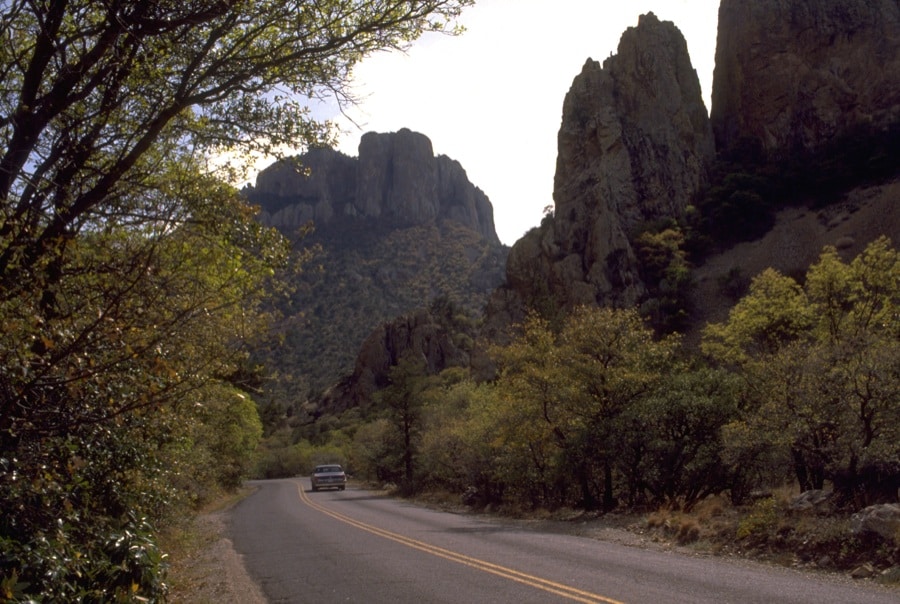
Covering roughly 300 miles, the drive from Odessa to Big Bend National Park takes about 5½–6 hours of wheel time. You’ll move from wide-open prairies through historic ranch towns into the dramatic desert landscapes that define West Texas.
Primary Route: I-10 West → TX-18 South → US-385
- I-10 West to Monahans: 33 mi to Exit 83.
- TX-18 South to Fort Stockton: 50 mi—last major services until Marathon.
- US-385 South through Marathon: 55 mi to the US-90 junction; turn east briefly, then continue south on US-385 into Big Bend’s eastern entrance at Persimmon Gap.
- To Panther Junction: Another 40 mi inside the park.
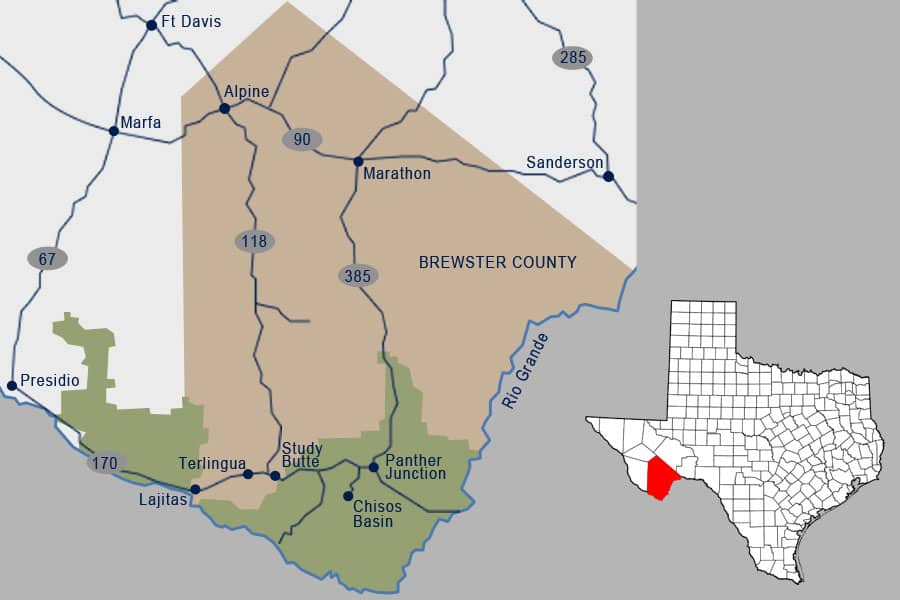
Alternate Scenic Route: FM 1776 → US 67 → Alpine → TX 118
- From Monahans, head 5 mi south on TX-18, then turn right onto FM 1776.
- Follow FM 1776 through Coyanosa until it merges with US-67—about 50 mi to US-90.
- Veer right on US-90 into Alpine. After Sul Ross State University, take a left on TX-118.
- Ride 78 mi on TX-118 to Terlingua/Study Butte Junction. Turn right on TX-170 for Lajitas and Big Bend Ranch State Park, or continue straight 3 mi to the national park entrance.
Estimated Distances & Drive Times
- Odessa → Monahans (I-10): 33 mi, 30 min
- Monahans → Fort Stockton (TX-18): 50 mi, 50 min
- Fort Stockton → Marathon (US-385): 55 mi, 1 hr
- Marathon → Persimmon Gap: 30 mi, 40 min
- Alternate via Alpine: ~280 mi total, 5–5½ hrs
Must-See Stops Along the Way
- Monahans Sandhills State Park: Climb the dunes for sunrise photo ops.
- Fort Stockton: Tour the historic fort and Annie Riggs Museum.
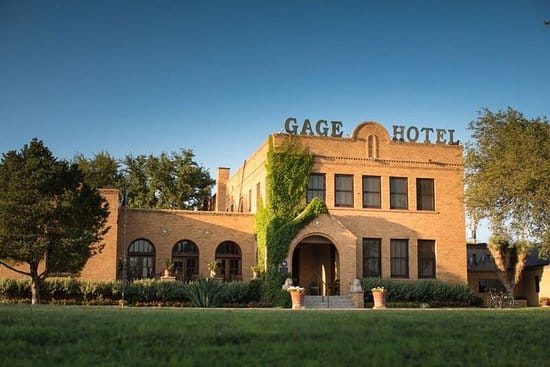
- Marathon: Grab coffee at the Gage Hotel or browse local artisan shops.
- Alpine: Stroll the arts district, refuel, and sample West Texas barbecue.
Road Trip Tips & Safety
- Fuel & Supplies: Top off gas in Monahans, Fort Stockton, or Marathon—stations can be 100+ mi apart.
- Hydration: Bring at least one gallon of water per person; desert heat is relentless.
- Vehicle Check: Inspect tires, brakes, fluid levels, and carry a basic repair kit.
- Wildlife & Speed Limits: Observe the 45 mph park limit and watch for deer, javelina, and distracted drivers.
- Emergency Preparedness: Cell service is spotty—carry paper maps, a flashlight, and know your roadside assistance number.
Coming from Midland?
If you’re starting in Midland, see our Drive from Midland page for the fastest routes and stops.
FAQ about Driving to Big Bend
FAQs
What’s the best time of year to drive to Big Bend?
The ideal windows are spring (March–May) and fall (September–November), when daytime temperatures in Big Bend range from 70–85°F and skies are generally clear. Summers can soar above 100°F, making mid-day travel uncomfortable, and winters often dip below freezing at night—so plan accordingly.
How do I prepare for changing road conditions on the way to Big Bend?
Before you depart, check TxDOT for live updates on construction, closures, and weather. In Big Bend’s remote terrain you may encounter gravel stretches or flash-flooded washes after rain, so drive slowly, keep headlights on, and adjust speed to match visibility and surface conditions.
Where should I fuel up and grab supplies on a Big Bend road trip?
Major towns like Alpine, Marathon, Fort Stockton, and Presidio each offer gas stations, grocery stores, and cafés. Fuel can be 100+ miles apart once you leave I-10, so top off whenever you see a station. Stock up on water, snacks, sunscreen, and basic auto supplies before entering Big Bend’s back-country roads.
Can I count on cell phone service en route to Big Bend?
Coverage is reliable near urban areas—Houston, San Antonio, El Paso, Midland—but becomes patchy once you head south on US-385 or TX-118. Within Big Bend National Park itself, service often drops out entirely. Carry paper maps, download offline directions, and bring a fully charged portable charger in case of emergency.
What general safety tips should I follow when driving to Big Bend?
-
Drive defensively and watch for wildlife (deer, javelina) especially at dawn and dusk.
-
Take rest breaks every 2–3 hours to avoid fatigue.
-
Keep water on hand—plan for at least one gallon per person per day in the desert climate.
-
Confirm your vehicle’s condition (tires, brakes, fluids) before leaving town.
-
Know your rental’s roadside assistance number and park headquarters’ emergency contacts when you reach Big Bend.